
Shaping the Culture: The Way Members within the Righteous Brand Collective Unite
The true narrative behind We Are Righteous begins precisely at the point where the people who wear it carry it into the world at large, because a fashion brand is only as powerful as such a following. This isn’t a brand built solely through marketing dollars norcelebrity seeding. Instead, it is a brand shaped in reply threads, in group chats, in resell forums, and in the way people tag each other under just one hoodie post from the line. The driving force has turned into community, while the product just provides a reason to gather. If you examine carefully how this community formed, you see a dynamic resembling other long-lasting streetwear labels: a tight circle of first adopters who talk, argue, and eventually convert strangers into customers.
What makes this particular community compelling is how outspoken it is about truthfulness. People do not just post outfit photos; extended, uncompromising review threads get written, breaking down the stitching, the fit, and the post-ten-wear wash results. This kind of attention to detail is uncommon, and it has compelled the brand to keep itself honest in ways advertising by itself was never able to. The result is a feedback loop where customers effectively co-manage quality control, and the brand listens because the community is the distribution channel.
Our Community’s Actual Home
Rather than gathering under any single go-to space, the We Are Righteous audience is spread out across a small cluster of specific platforms—an arrangement that’s intentional.
The Instagram feed drives the visual side righteous sweatshirt of the brand, with community members sharing fit checks and mentioning the official account for the possibility of a repost.
Discord-like community threads and private forums hold space for the more detailed discussion, where when items come back in stock, sizing quirks, and future releases get picked apart in painstaking detail.
Discussions on Reddit and independent blogs now and then bring up a we are righteous review that explores greater detail than any listing page manages.
Email lists continue to count here as well, something that shocks those who figure younger shoppers never check email. Early access to limited runs is commonly the single biggest driver of newsletter subscriptions, because fans have come to understand that the label’s most coveted drops fly off the shelves and rarely restock in that identical color option. That scarcity is not manufactured hype for its own sake; it reflects genuinely limited production runs, and the community treats that fact seriously. Missing a launch by a mere six minutes has evolved into a bit of an inside joke in fan circles, half frustration and half badge of honor.
Regional informal events have likewise started appearing in a small number of cities, put together without official backing by fans instead of the company itself. More often than not intimate in scale—sometimes fewer than twenty people—these events focus on trading pieces, comparing sizing between different drops, and capturing looks as a group. This is grassroots in the truest sense, and it reveals something about devotion when people organize their own meetups around a fashion brand with no prompting from the company.
User-Generated Content as the Real Advertising Fuel
Query anyone who follows street fashion with any real interest and they will confirm that user-generated content now beats sponsored promotion for brands at this phase of development. We Are Righteous benefits tremendously from this phenomenon. A single nicely captured photo of the righteous hoodie paired with mismatched outerwear can generate greater response than a professional shoot, merely because it is posted by someone the community already trusts. Fans are rarely paid influencers in the majority of instances; they are customers who liked how a piece fit and wanted to share it.
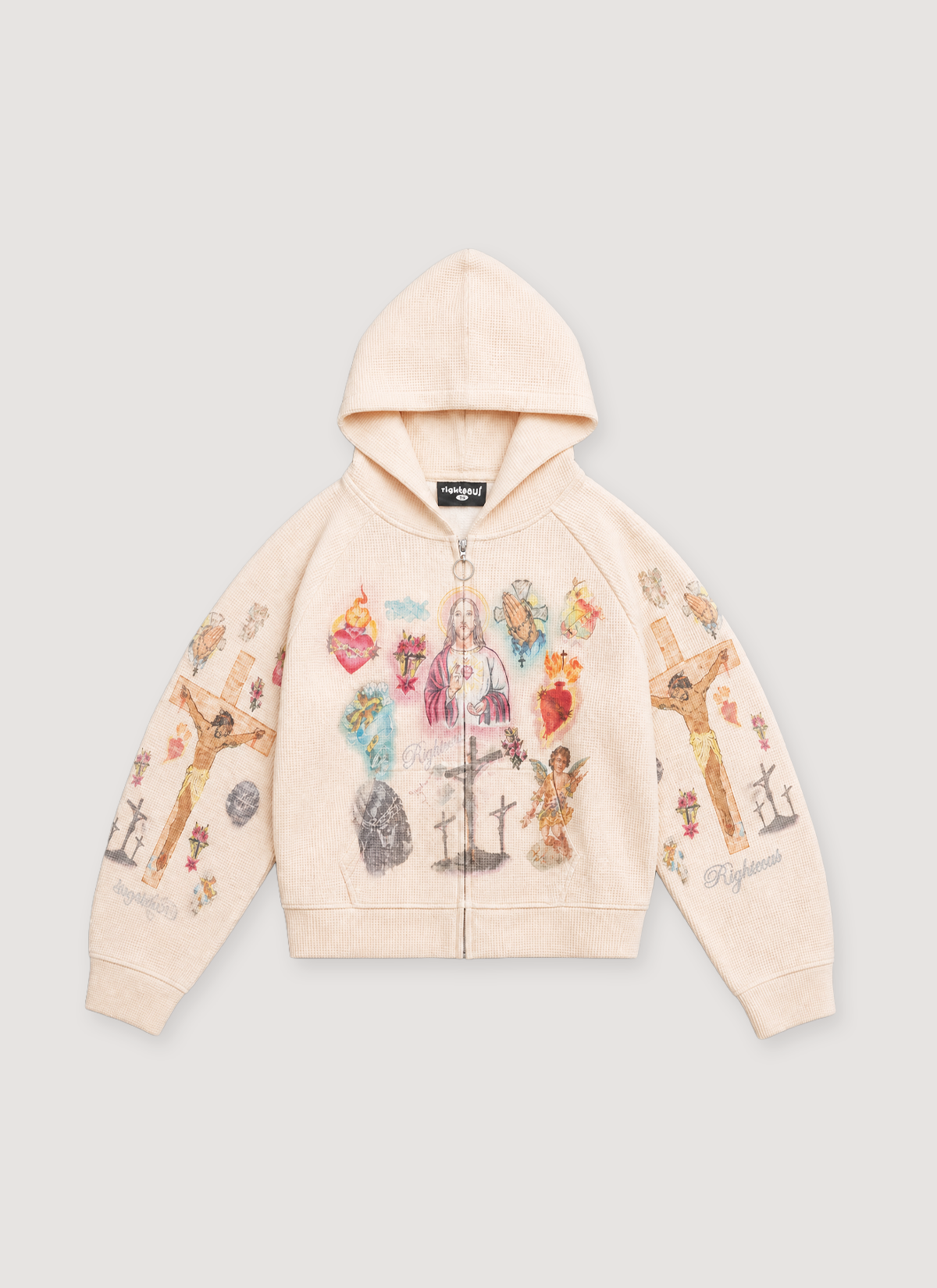
Such material also does something a brand’s own photography cannot: it reveals actual bodies, natural lighting, authentic everyday context. Someone wearing a piece on a daily commute, at a show, or on a weekend trip communicates fit and drape more persuasively than a controlled studio shot. That genuineness is specifically why so many shoppers now seek out a righteous review before buying anything, favoring a stranger’s honest take over marketing copy. The fanbase has effectively become the brand’s most credible sales team, unpaid but deeply committed.
Worth noting too is a secondary effect. When fans produce content, they often compare pieces against other labels they own, which inadvertently produces no-cost competitive analysis for anyone reading. A buyer researching righteous clothing brand quality can, within a few scrolls, see it stacked up against three or four other names in the comparable price bracket. Ten years back, this kind of open, casual comparing did not exist in fashion, and it has since raised the bar for every brand, including this one.
Comparing How Communities Behave
Street fashion communities differ considerably, and grasping those distinctions helps explain why the We Are Righteous fanbase seems set apart. The table below contrasts general engagement patterns across three standard community types in this niche, based on visible behavior rather than company claims.
| Community Category | Leading Platform | Core Activity | Typical Post Frequency |
|---|---|---|---|
| The We Are Righteous fan community | Instagram platform + private group chats | Fit checks, drop alerts, honest reviews | Several times weekly around drops |
| Large mainstream streetwear community | TikTok | Trend-based haul videos, unboxing content | Every day, high volume |
| Specialized resale/collector community | Forums and Discord | Verifying authenticity, tracking prices, trading items | Ongoing, nonstop, minimal visual content |
This comparison shows that the We Are Righteous community sits somewhere between the high-frequency chaos of mainstream trend culture and the quieter, more technical world of collector forums. It is visual enough to feel current but detailed enough to feel trustworthy, and that balance is not something a brand can fully engineer on its own.
The Item’s Design Molded by Customer Input
One of the more underrated parts of this ecosystem is the direct way community feedback shapes choices around righteous apparel. Revised fit notes on later product pages have in the past resulted from sizing complaints voiced in a review thread. Fans themselves keep unofficial tabs on calls for restocking on specific pieces, notifying the brand directly once interest hits a noticeable threshold. What this amounts to is not a formal focus group process; it is more akin to an ongoing, unstructured conversation that winds up affecting real outcomes.
When a limited drop of the righteous hoodie sells out within hours, fans openly ask for that same colorway to return, and such demands pile up in the comments until they are hard to ignore. Colorway decisions in particular seem to respond to community sentiment, and whether or not every request gets fulfilled, the visibility of that demand guides how upcoming batches are mapped out. Compared with the conventional hierarchical fashion model many are used to, this is a far more transparent relationship between shopper and label.
Sizing reliability has become a notably recurring subject shoppers bring up. As the community cross-references multiple buys, patterns show up quickly — whether something sizes accurately, leans oversized, or suits layering more than standalone wear. New shoppers researching righteous clothing before buying often rely on these crowdsourced sizing notes more than the official size chart alone, treating community consensus as a second layer of confirmation.
What It All Means for 2026
Rather than dilute, the community energy appears poised to intensify as the company pushes deeper into 2026. More cities are seeing impromptu gatherings emerge, an increasing set of independent reviewers are publishing thorough analyses, and more first-time buyers are arriving already readied by a fellow buyer’s genuine we are righteous review rather than impersonal ad copy. That represents a meaningfully different customer journey compared to what most fashion brands encounter, and it puts pressure on product quality to keep matching the conversation happening around it.
Followers are more and more expecting that the label will remain attentive, instead of just cranking out product. Groups built on this sort of engagement struggle to accept quiet; they expect acknowledgment when input leads to an update, however minor, like a blurb referencing a frequently requested idea. This dynamic intensifies the pressure but also reinforces devotion, because people remain committed to brands that visibly respond to them.
At the end of the day, the vibe that’s grown around We Are Righteous has been built less by campaigns and more by conversation. Rather than any single campaign, it’s fans comparing fits, arguments over sizing, meetups fans set up themselves, and independent, unpaid reviews that have truly shaped the brand’s identity. This ground-level base is fragile in some ways, given that it hinges completely on sustained trust, but it is also uniquely resilient. A community that builds itself tends to defend what it built, and that dynamic is likely to keep shaping this brand well beyond the current year.


